Introduction to Malocclusion
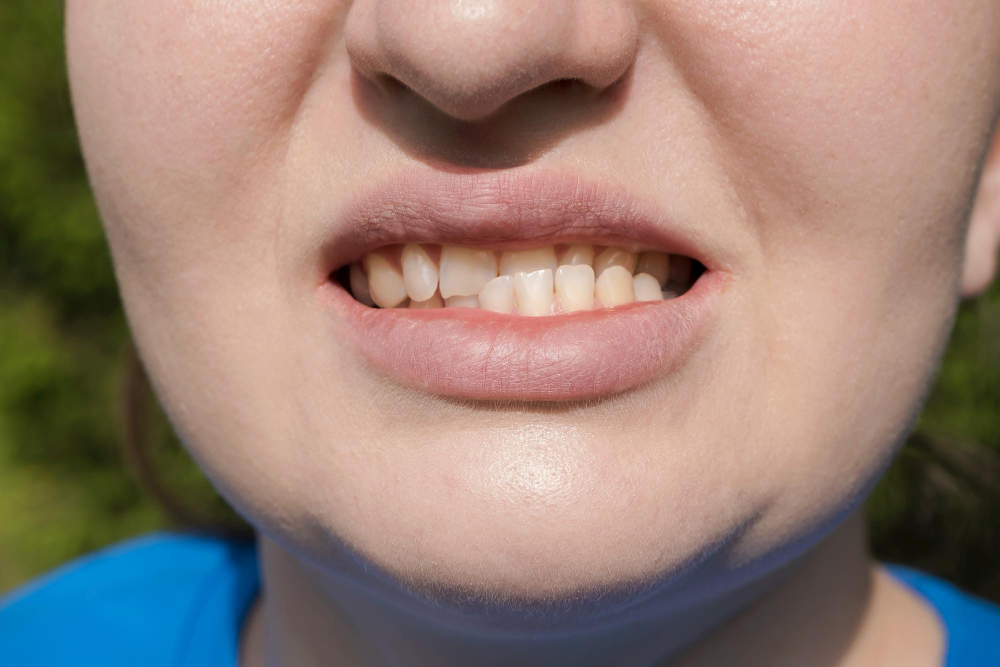
Malocclusion is a dental term for teeth that do not fit together properly. When your teeth are crowded, crooked, or misaligned, it can affect your bite. As a result, you may have trouble chewing or speaking. Malocclusion in dentistry is common and can affect both children and adults. Early detection and treatment can help prevent future dental problems. Understanding malocclusion is important for keeping your mouth healthy.
Symptoms of Malocclusion
Malocclusion symptoms can vary from mild to severe. Sometimes, you may not notice any problems. However, many people experience signs such as:
For some, these symptoms can cause discomfort or embarrassment. But with proper care, many issues can be managed or fixed.
Causes and Risk Factors
There are several causes of malocclusion. Most often, it is inherited from parents. However, other factors can also play a role. For example, habits or injuries can affect how your teeth grow. Common causes and risk factors include:
Because some causes are preventable, early dental visits are important. This helps catch problems before they get worse.
Diagnosis Methods
Dentists use several methods to diagnose malocclusion. First, they will look at your teeth and jaw during a dental exam. Next, they may ask about your dental history and any symptoms you notice. To get a better view, dentists often use:
With these tools, your dentist can decide the type and severity of malocclusion. This helps guide the best treatment plan for you.
Treatment Options for Malocclusion
There are many malocclusion treatment options available today. The right choice depends on your age, the type of malocclusion, and how severe it is. Some common ways to fix malocclusion include:
Because each person is different, your dentist or orthodontist will suggest the best option for you. Treatment can take several months or even years, but the results are often worth it.
Prevention and Lifestyle Guidance
While not all cases of malocclusion can be prevented, there are steps you can take to lower your risk. For example, you can:
Additionally, early dental care can help spot problems before they become serious. Good habits can make a big difference in your dental health.
When to See a Dentist
If you notice signs of malocclusion, it is important to see a dentist. For instance, if you have trouble chewing, speech problems, or jaw pain, do not wait. Early treatment can prevent more serious issues later. Dentists can also help with malocclusion treatment near you. Regular dental visits are key to keeping your teeth and jaw healthy.
Conclusion
In summary, malocclusion is a common dental problem that can affect your bite, speech, and appearance. However, with early diagnosis and the right treatment, most people can achieve a healthy smile. Consult a dental specialist for personalized advice on malocclusion.