
What Is Orthodontics?
Orthodontics is a branch of dentistry that focuses on correcting teeth and jaw alignment. Many people seek orthodontics to improve their smile. However, it also helps with oral health. Orthodontists use special tools to move teeth into better positions. As a result, both children and adults can benefit from orthodontic care.
Common Orthodontic Problems
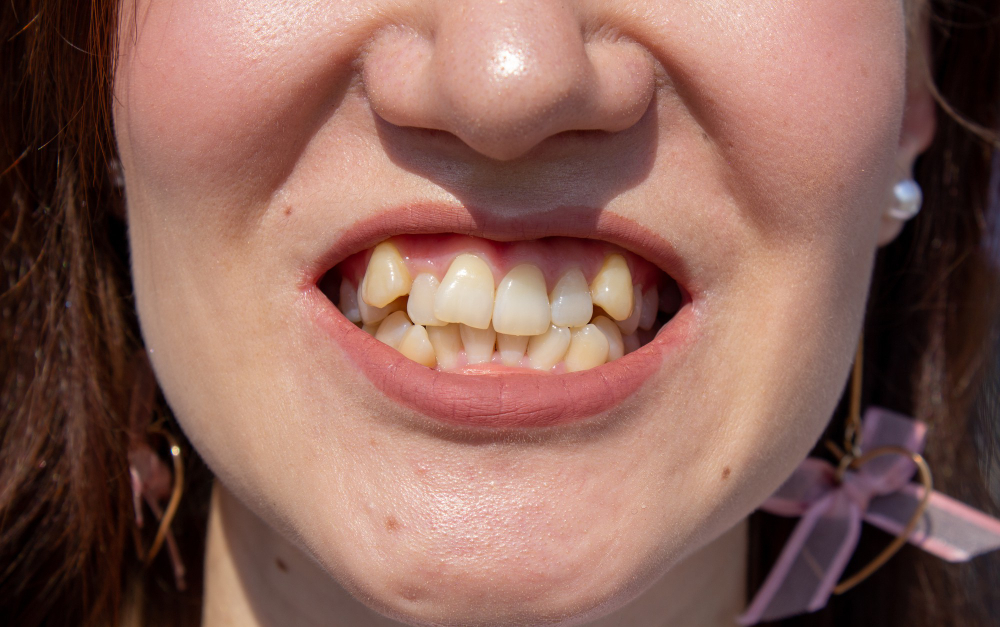
Many people have dental issues that orthodontics can fix. For example, you may notice crooked teeth or gaps. Sometimes, teeth may overlap or stick out. In other cases, the upper and lower teeth may not fit together well. This is called a bite problem. Common orthodontic issues include:
How Orthodontics Improves Your Smile
Orthodontics can make a big difference in your smile. Straight teeth look more attractive and boost self-confidence. When your teeth are in the right place, you may feel more comfortable smiling. In addition, many people find it easier to speak and chew. Because of these changes, orthodontics for a better smile is a popular choice.
Health Benefits Beyond Appearance
While a nice smile is important, orthodontics offers more than looks. For instance, straight teeth are easier to clean. This lowers your risk of cavities and gum disease. Also, fixing bite problems can help you chew food better. Some people even notice improved speech. In some cases, orthodontics can reduce jaw pain or headaches. Therefore, orthodontic treatment benefits your whole health, not just your teeth.
Orthodontic Treatment Options
Today, there are many ways to straighten teeth. Your orthodontist will help you choose the best option. Common treatments include:
Each option has its own benefits. For example, clear aligners are easy to remove for eating and cleaning. On the other hand, metal braces are strong and work for most cases. Your orthodontist will explain which treatment fits your needs.
Tips for Maintaining Results
After treatment, it is important to keep your teeth in place. Most people need to wear a retainer. This device holds teeth in their new position. To maintain your results, follow these tips:
With good care, your new smile can last a lifetime.
Prevention and Early Intervention
Early assessment can prevent bigger problems later. Children should see an orthodontist by age seven. At this age, the orthodontist can spot issues early. Sometimes, early treatment makes later care easier or shorter. However, adults can also benefit from orthodontics at any age. If you notice bite or alignment problems, do not wait to seek advice. Early action often leads to better results.
In summary, orthodontics can improve both your smile and your health. With many treatment options, it is easier than ever to get started. Consult a qualified orthodontist to discover how orthodontics can benefit your smile and health.