Introduction: Why Dental Care Matters During Pregnancy
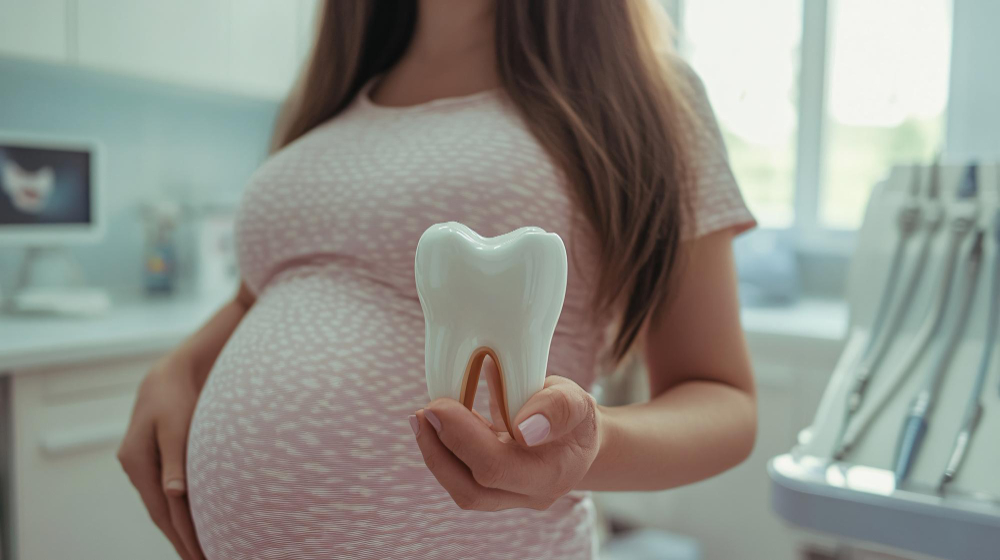
Dental care during pregnancy is very important for both mother and baby. Hormone changes can affect your gums and teeth. For this reason, keeping your mouth healthy helps prevent problems. Good oral health can also lower the risk of pregnancy complications. In fact, experts like the CDC and WHO recommend regular dental checkups for pregnant women.
Common Dental Issues in Pregnancy
During pregnancy, you may notice changes in your mouth. For example, your gums might bleed more easily. This is called pregnancy gingivitis. Some women also get more cavities. In some cases, small growths called pregnancy tumors can appear on the gums. These are not cancer, but they can be uncomfortable. Because of these changes, it is important to watch for signs of dental problems.
Safe Dental Procedures and Treatments During Pregnancy
Many dental treatments are safe during pregnancy. For example, regular cleanings and exams are important. If you need a filling or a tooth pulled, most dentists can do this safely. Local anesthesia is usually safe, but always tell your dentist you are pregnant. X-rays are safe with proper shielding, but many dentists wait until after the first trimester if possible. In addition, emergency dental care should not be delayed.
Dental Treatments and Products to Avoid While Pregnant
Some dental treatments and products should be avoided during pregnancy. For instance, elective procedures like teeth whitening are best postponed. Certain medicines and painkillers may not be safe for your baby. In addition, avoid dental products with high alcohol content or harsh chemicals. Always check with your dentist before using new products.
Tips for Maintaining Oral Health During Pregnancy
Good oral health tips for pregnancy can help you avoid problems. First, brush your teeth twice a day with fluoride toothpaste. Next, floss daily to remove food and plaque. If you have morning sickness, rinse your mouth with water after vomiting. This helps protect your teeth from acid. Also, eat a balanced diet rich in vitamins and minerals. Visit your dentist for regular checkups and cleanings.
Prevention Strategies and Lifestyle Guidance
Prevention is key to good dental care during pregnancy. For example, avoid sugary snacks and drinks. These can lead to cavities. Instead, choose fruits, vegetables, and dairy products. If you smoke or use tobacco, try to quit. Smoking can harm both your teeth and your baby. Furthermore, limit drinks like soda and juice, which can damage tooth enamel. Always follow your dentist’s advice for a healthy mouth.
When to Consult a Dentist
It is important to see your dentist if you notice any dental problems during pregnancy. For instance, if you have pain, swelling, or bleeding gums, make an appointment. Early treatment can prevent bigger problems. Even if you feel fine, regular checkups are still important. Your dentist can help you keep your mouth healthy throughout pregnancy.
Conclusion
Dental care during pregnancy keeps you and your baby healthy. Many treatments are safe, but some should be avoided. Always tell your dentist you are pregnant. For the best advice, consult your dentist or healthcare provider for personalized care during pregnancy.