
Introduction
Dental implantation is a common way to replace missing teeth. Many people choose dental implants because they look and feel natural. If you are thinking about dental implantation, you may wonder what the process involves. This guide will explain what to expect during dental implantation, from preparation to recovery. Understanding each step can help you feel more confident and prepared.
What Is Dental Implantation?
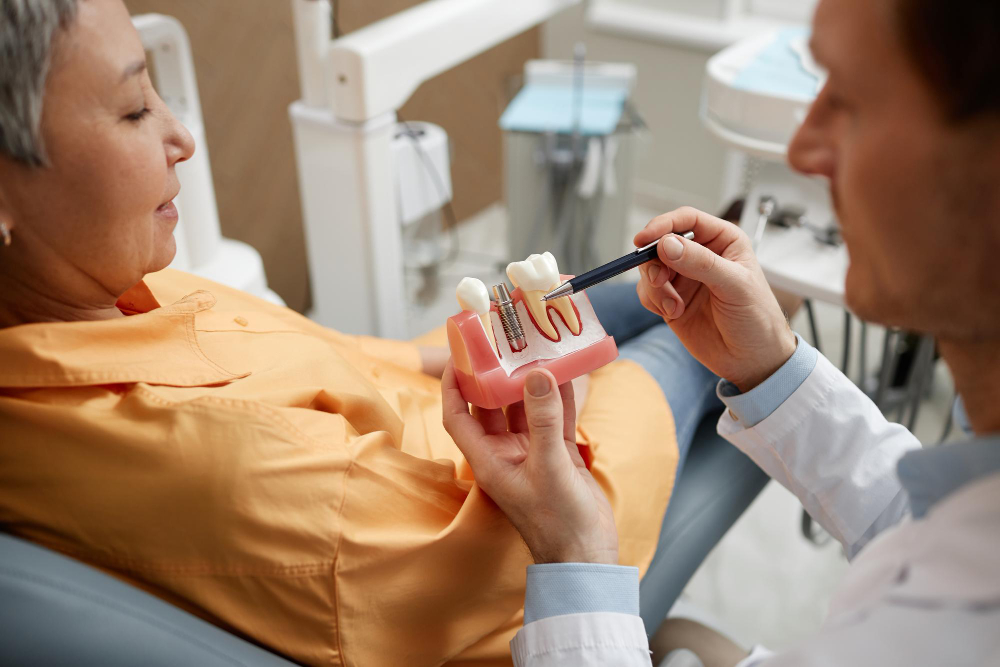
Dental implantation is a procedure to replace missing teeth with artificial roots and crowns. The implant is a small metal post, usually made of titanium. It is placed into your jawbone. After the implant heals, a crown is attached to the top. As a result, the new tooth looks and works like a natural one. Dental implants can replace one or more teeth. They are a long-lasting solution for many people.
Who Is a Candidate for Dental Implants?
Not everyone is a good candidate for dental implants. However, many adults can get them. You may be a good candidate if you:
On the other hand, some health conditions may affect healing. For example, uncontrolled diabetes or certain medications can slow recovery. Your dentist will check your health and bone strength before starting the dental implant procedure.
Preparing for the Procedure
Before dental implantation, your dentist will do a full exam. This may include X-rays or 3D scans. These images help your dentist plan the best spot for the implant. In some cases, you may need a bone graft if your jawbone is too thin. Your dentist will also ask about your health history. It is important to tell them about any medicines you take. Sometimes, you may need to stop certain medicines before surgery. Your dentist will give you clear instructions to follow before the dental implant procedure.
Step-by-Step Dental Implantation Process
The dental implantation process usually happens in several steps. Here is what you can expect:
Each step is important for a strong and lasting result. Your dentist will guide you through every stage.
Recovery and Aftercare
After dental implantation, you may feel some discomfort. For example, your gums may be swollen or sore. You might also notice minor bleeding or bruising. However, these symptoms usually improve in a few days. Your dentist may suggest pain medicine or ice packs. It is important to follow all aftercare instructions. Good oral hygiene helps your mouth heal faster. Brush gently and avoid hard foods at first. Most people can return to normal activities within a few days. Still, full healing may take several months.
Possible Risks and Complications
Dental implantation is safe for most people. But, like any surgery, there are some risks. Possible complications include:
Although these risks are low, your dentist will discuss them with you. According to the American Dental Association, most dental implants are successful when placed by trained professionals.
Tips for a Smooth Recovery
To help your mouth heal after dental implantation, follow these tips:
With proper care, your dental implant can last for many years. If you notice any unusual pain or swelling, contact your dentist right away.
Conclusion
Dental implantation can restore your smile and improve your quality of life. Now that you know what to expect during dental implantation, you can feel more prepared for each step. Consult a dental specialist to discuss your suitability for dental implantation and receive personalized advice.