
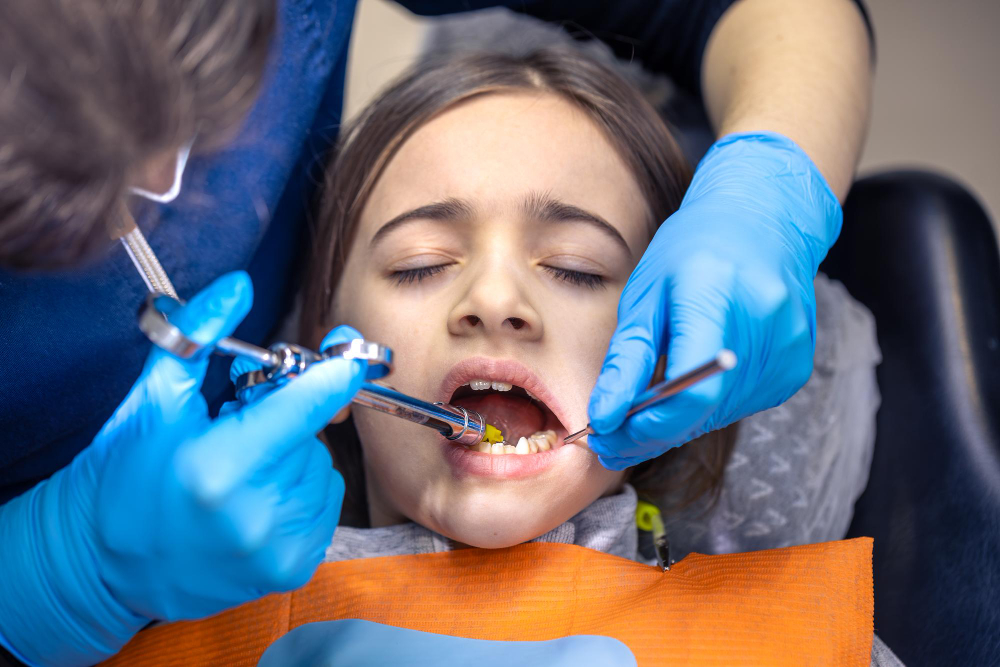
What is Pulp Capping in Children?
Pulp capping in children is a dental treatment that helps protect the soft tissue inside a tooth, called the pulp. The pulp contains nerves and blood vessels. When a child’s tooth is damaged or has deep decay, the pulp can become exposed or irritated. In these cases, dentists may use pulp capping to save the tooth and avoid more serious treatments. This procedure is a common part of children’s dental pulp treatment and is often recommended by pediatric dentists.
Why is Pulp Capping Needed?
Sometimes, children get cavities or tooth injuries. If the damage is close to the pulp but not too severe, pulp capping can help. This treatment protects the pulp from infection and keeps the tooth alive. As a result, children can keep their natural teeth longer. Early dental care, like pulp capping, can prevent pain and future problems. According to the American Dental Association (ADA), saving the tooth is always better than removing it when possible.
Types of Pulp Capping (Direct vs. Indirect)
There are two main types of pulp capping procedures for kids:
Both types aim to keep the tooth healthy and avoid more complex treatments like root canals.
Symptoms and Signs That May Require Pulp Capping
It is important for parents to watch for signs that may mean a child needs pulp capping. Some common symptoms include:
If you notice any of these signs, it is wise to visit a pediatric dentist near you for an evaluation.
How Dentists Diagnose the Need for Pulp Capping
First, the dentist will ask about your child’s symptoms. Next, they will examine the tooth and may take X-rays. These images help the dentist see how deep the decay is and if the pulp is affected. If the pulp is still healthy or only slightly irritated, pulp capping may be the best choice. However, if the pulp is badly infected, other treatments might be needed. Dentists use guidelines from trusted sources like the ADA and CDC to make these decisions.
The Pulp Capping Procedure: Step-by-Step
Understanding the pulp capping procedure for kids can help ease worries. Here is what usually happens:
The whole process is quick and safe. Most children can return to normal activities soon after.
Benefits and Risks of Pulp Capping in Children
Pulp capping in children offers many benefits. For example, it saves the natural tooth, prevents pain, and avoids early tooth loss. It also supports healthy chewing and speech. However, there are some risks. Sometimes, the pulp may not heal, and further treatment like a root canal may be needed. Rarely, infection can occur. Still, most children recover well when the procedure is done by a skilled pediatric dentist.
Aftercare and Recovery Tips for Parents
After pulp capping, parents can help their child heal by following these tips:
With proper care, most children recover quickly and have healthy teeth.
Prevention: How to Protect Your Child’s Teeth
Preventing tooth decay in children is the best way to avoid pulp capping. Here are some simple steps:
Early dental care can keep your child’s smile bright and healthy.
In summary, pulp capping in children is a safe and effective way to treat deep tooth decay or injury. If you have concerns about your child’s teeth, consult a pediatric dentist for personalized advice on pulp capping in children.