What is Tooth Decay in Children?
Tooth decay in children is a common dental problem. It happens when the hard surface of a tooth breaks down. This can lead to cavities, pain, and even infection. Early childhood tooth decay can affect eating, speaking, and learning. According to the CDC, tooth decay is one of the most common chronic diseases in children. But with the right care, you can help prevent it.
Causes of Tooth Decay in Children
Many things can cause tooth decay in kids. However, the main cause is bacteria in the mouth. These bacteria feed on sugars from food and drinks. As a result, they make acids that attack the teeth. Over time, this can lead to cavities. Other causes include:
Because children’s teeth are softer, they are more at risk for decay.
Symptoms to Watch For
Early tooth decay may not cause pain. Still, there are signs you can look for. For example, you might see:
If you notice any of these, it is important to act quickly.
Diagnosis
Only a dentist can diagnose tooth decay in children. Usually, the dentist will:
Early diagnosis helps prevent bigger problems later. Therefore, regular dental checkups are important for children’s dental care.
Treatment Options
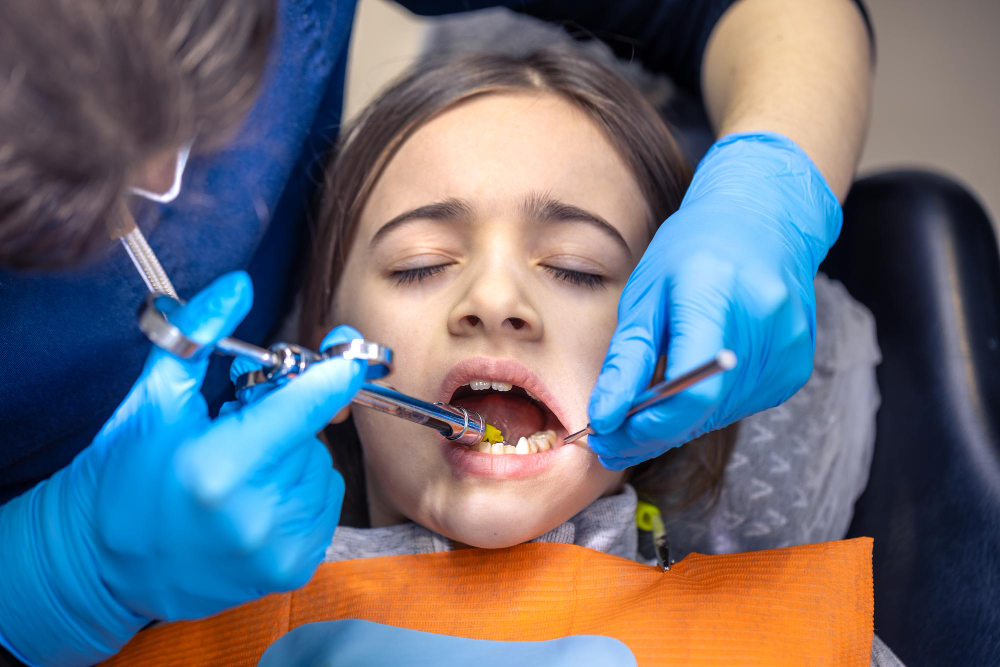
Treatment for cavities in children depends on how bad the decay is. The dentist may suggest:
In some cases, the dentist may use special sealants to protect healthy teeth. Most treatments are quick and safe for kids. But, it is best to treat decay early to avoid pain and infection.
Prevention Tips
Preventing tooth decay in kids is possible with good habits. Here are some tips:
In addition, parents in every city should look for local dental clinics that offer children’s dental care. Many cities have programs for free or low-cost dental checkups.
When to See a Dentist
It is important to see a dentist if you notice any signs of tooth decay in children. However, even if there are no symptoms, regular checkups are key. You should also see a dentist if your child:
Early visits help catch problems before they get worse.
To sum up, tooth decay in children is common but preventable. Good dental habits and regular checkups make a big difference. Consult a pediatric dentist for personalized advice on your child’s dental health.